It combines principles from psychology with knowledge from fields like kinesiology, physiology, and biomechanics to understand and optimize the mental side of athletic performance and physical activity. Recognized as a proficiency by organizations like the American Psychological Association (APA), it focuses on both performance enhancement (helping people perform at their best) and well-being (improving mental health through sport/exercise).
Key Aspects of Sports Psychology
- Performance Enhancement: Applied sports psychologists work with athletes (from recreational to elite/Olympic levels), coaches, teams, and even parents/administrators to build mental skills for consistent high-level performance.
- Well-Being and Development: It explores how sport/exercise impacts psychological growth, social factors, stress reduction, mood improvement, and overall health across all ages and skill levels.
- Not Just for Pros: While often associated with top athletes, it benefits anyone — weekend warriors, youth participants, fitness enthusiasts, or those using exercise for mental health support.
Core Mental Skills and Techniques
Sports psychologists teach practical, evidence-based tools to manage the mind-body connection. Common ones include:
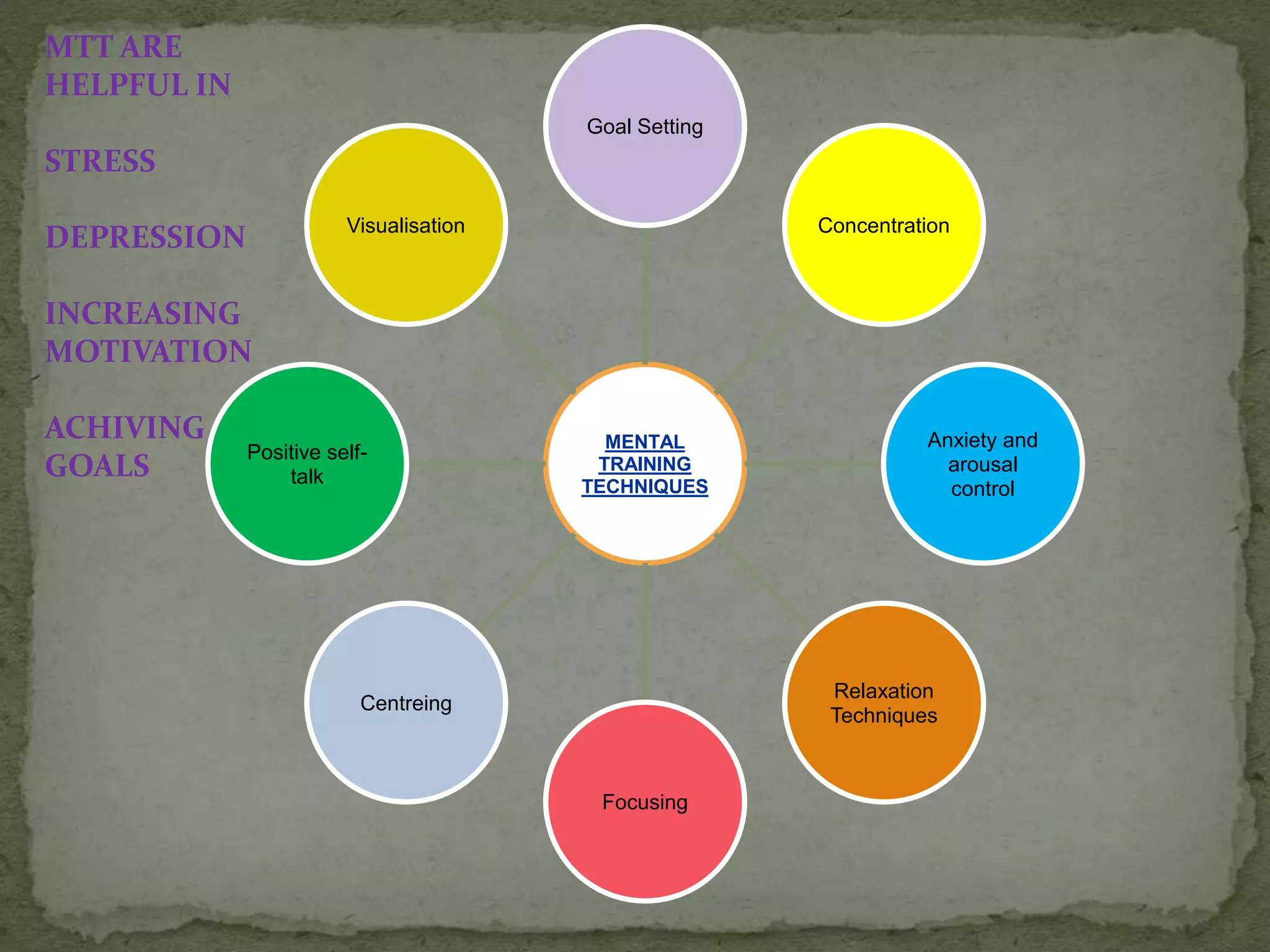
- Goal Setting — Creating specific, measurable, achievable, relevant, and time-bound (SMART) goals to boost motivation and direction.
- Visualization / Mental Imagery — Vividly imagining successful performances to build confidence, rehearse skills, and reduce anxiety (the brain activates similar pathways as actual practice).
- Positive Self-Talk — Replacing negative thoughts with encouraging, constructive internal dialogue.
- Concentration and Focus — Techniques to maintain attention, block distractions, and stay in the “zone” (often called flow state — a highly focused, enjoyable immersion where time seems to fly and performance peaks).
- Arousal and Anxiety Management — Controlling stress, nerves, or over-excitement through breathing, relaxation, or mindfulness to find the optimal energy level for performance.
- Building Confidence and Mental Toughness — Developing resilience to handle setbacks, pressure, injuries, or slumps.
- Motivation and Commitment — Sustaining drive, especially during tough training or recovery periods.

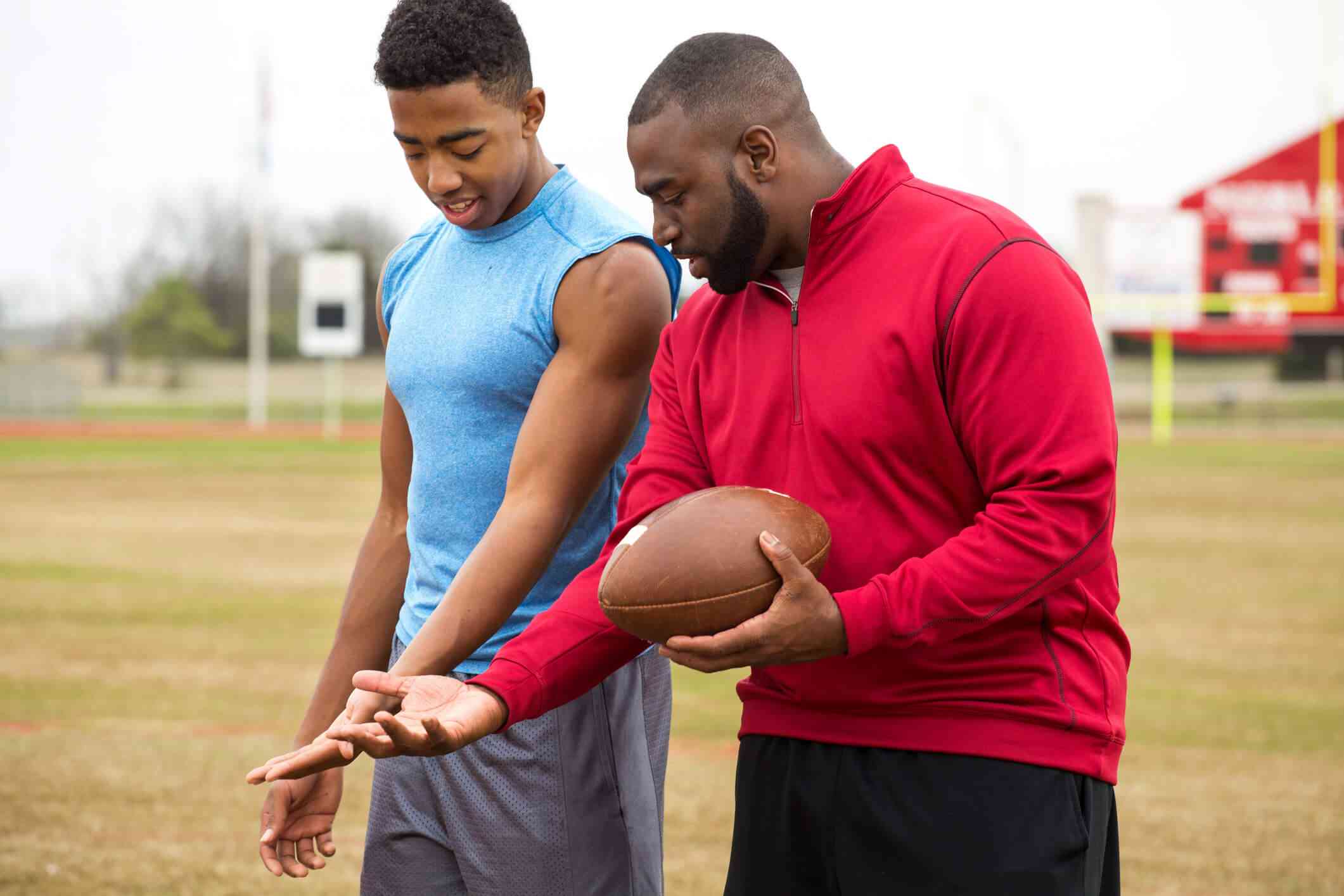

Here, a sports psychologist discusses performance data with an athlete (left), coaches a young player on the field (middle), and consults one-on-one in a clinical setting (right) — common real-world scenarios.

What is the Flow State: Empirical evidence for being in the zone …
An athlete in the “flow state” — fully immersed, focused, and performing effortlessly, a key concept in sports psychology.
Sports Psychology & Mental rehearsal techniques | PPTX
A visual overview of key mental training techniques (like visualization, goal setting, concentration, self-talk, relaxation, and anxiety control) that form the foundation of many sports psychology programs.
In essence, sports psychology bridges the gap between physical training and mental preparation, proving that the mind is as trainable as the body. Many elite athletes credit mental work for their edge — and research shows these techniques can improve performance, reduce injury risk from psychological factors, and enhance enjoyment and long-term participation in sports. If you’re an athlete, coach, or just curious about boosting your fitness mindset, it’s a fascinating and highly practical field!