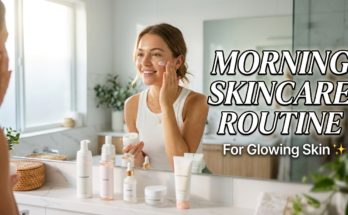
Acne and dark spots are common skin concerns that affect people of all ages. While there are many skincare products available, natural home remedies can also help reduce pimples, calm inflammation, and fade acne marks without harsh chemicals. Using simple ingredients found at home can support healthier and clearer skin when combined with a proper skincare routine.
What Causes Acne and Dark Spots?
Acne usually develops when excess oil, dead skin cells, and bacteria clog the pores. Hormonal changes, stress, unhealthy eating habits, and poor skincare routines can make acne worse. Dark spots, also known as post-inflammatory hyperpigmentation, often appear after pimples heal.
Some common causes include:
- Excess oil production
- Hormonal imbalance
- Poor diet and dehydration
- Stress and lack of sleep
- Sun exposure
- Picking or squeezing pimples
Best Natural Home Remedies for Acne
1. Aloe Vera Gel
Aloe vera is known for its soothing and anti-inflammatory properties. It helps reduce redness, irritation, and acne swelling.
How to Use:
- Extract fresh aloe vera gel from the leaf
- Apply directly to clean skin
- Leave it overnight
- Wash your face in the morning
Use daily for better results.


2. Honey and Cinnamon Mask
Honey has antibacterial properties while cinnamon helps improve blood circulation and fight acne-causing bacteria.
How to Use:
- Mix 1 tablespoon honey with 1 teaspoon cinnamon powder
- Apply the paste to acne-prone areas
- Leave for 10–15 minutes
- Rinse with lukewarm water
Use 2–3 times a week.
3. Tea Tree Oil
Tea tree oil is a powerful natural ingredient that helps reduce acne-causing bacteria and inflammation.
How to Use:
- Mix a few drops with a carrier oil or water
- Apply gently using a cotton swab
- Do not use directly on sensitive skin
Always do a patch test before use.
4. Turmeric Paste
Turmeric contains curcumin, which has anti-inflammatory and antibacterial properties that help calm acne and brighten skin.
How to Use:
- Mix turmeric powder with yogurt or honey
- Apply for 10 minutes
- Wash thoroughly
Avoid overusing turmeric because it may temporarily stain the skin.


5. Green Tea
Green tea contains antioxidants that help reduce oil production and inflammation.
How to Use:
- Brew green tea and let it cool
- Apply using a cotton pad or spray bottle
- Leave it on the skin without rinsing
It can be used daily as a toner.
Natural Remedies for Dark Spots
1. Lemon Juice and Honey
Lemon contains vitamin C that may help brighten dark spots, while honey keeps the skin moisturized.
How to Use:
- Mix a few drops of lemon juice with honey
- Apply only on dark spots
- Leave for 10 minutes
- Wash with water
Avoid sun exposure after using lemon on the skin.
2. Potato Juice
Potato contains natural enzymes that may help lighten pigmentation and acne marks.
How to Use:
- Grate a potato and extract the juice
- Apply using cotton
- Leave for 15 minutes
- Rinse thoroughly
3. Yogurt and Oatmeal Mask
Yogurt contains lactic acid that gently exfoliates the skin, while oatmeal removes dead skin cells.
How to Use:
- Mix yogurt with oatmeal
- Apply as a face mask
- Massage gently before rinsing
Use twice weekly for smoother skin.


Tips to Prevent Acne and Dark Spots
- Wash your face twice daily
- Avoid touching or picking pimples
- Drink plenty of water
- Eat healthy fruits and vegetables
- Use sunscreen every day
- Change pillow covers regularly
- Avoid heavy oily skincare products
Foods That Help Clear Skin
A healthy diet can improve skin condition naturally. Include:
- Fresh fruits rich in vitamin C
- Green vegetables
- Nuts and seeds
- Green tea
- Plenty of water
Avoid excessive sugary foods and oily fast food.
Final Thoughts
Natural home remedies for acne and dark spots can help improve skin health over time when used consistently. Ingredients like aloe vera, honey, turmeric, green tea, and yogurt provide gentle care without expensive treatments. However, results may vary depending on skin type and severity of acne.
For long-lasting clear skin, combine these remedies with a healthy lifestyle, proper hydration, and a simple skincare routine. If acne becomes severe or painful, consult a dermatologist for professional treatment.